


.png)


Ask anyone what they remember most about a carnival and food usually comes up before the rides do. The smell of popcorn drifting across the field, the sizzle of a hot dog on the grill, the sight of candy floss being spun into clouds of pink and blue. These small moments stick with guests long after the lights go off and the crowds head home.
That is exactly why choosing the right food line-up deserves just as much thought as picking the games and rides. A carnival without good food feels incomplete, no matter how impressive the attractions are. Get the food right, and you create an experience people talk about for weeks and actively look forward to next time.
Why Food Stations Make or Break the Experience
Carnival food stations do more than fill hungry stomachs. They shape how people move through the event, where they gather, and how long they stay. A well-placed snack stand near the queue for the Ferris wheel keeps guests happy while they wait. A dessert corner tucked between game booths gives families a natural spot to pause and regroup.
Good food also creates a sense of occasion. There is something about eating a stick of satay or a paper cone of chips while wandering between stalls that feels distinctly festive, different from grabbing a quick bite at a regular food court. It is part of what makes carnivals feel special rather than ordinary.
Start With the Classics
There is a reason certain snacks show up at almost every carnival, from small neighbourhood fairs to large-scale events. Think popcorn, cotton candy, ice cream, and grilled skewers. These are classic carnival snacks everybody loves, and they tend to draw a crowd purely on nostalgia. People associate these treats with childhood memories and festive outings, so seeing them on offer instantly puts guests in a good mood.
That said, relying only on the classics can make an event feel predictable. The trick is to use familiar favourites as your foundation, then build something more memorable around them.
Add Variety Without Overcomplicating Things
Guests today have more varied tastes than they did a decade ago. Some want something spicy, others are looking for a lighter bite, and a growing number will ask about vegetarian options before they even glance at the rest of the menu. A thoughtful spread might include:
- Local favourites such as satay, mee goreng, or rojak for guests craving something closer to home
- Western-style bites like burgers, hot dogs, and loaded fries for a familiar comfort option
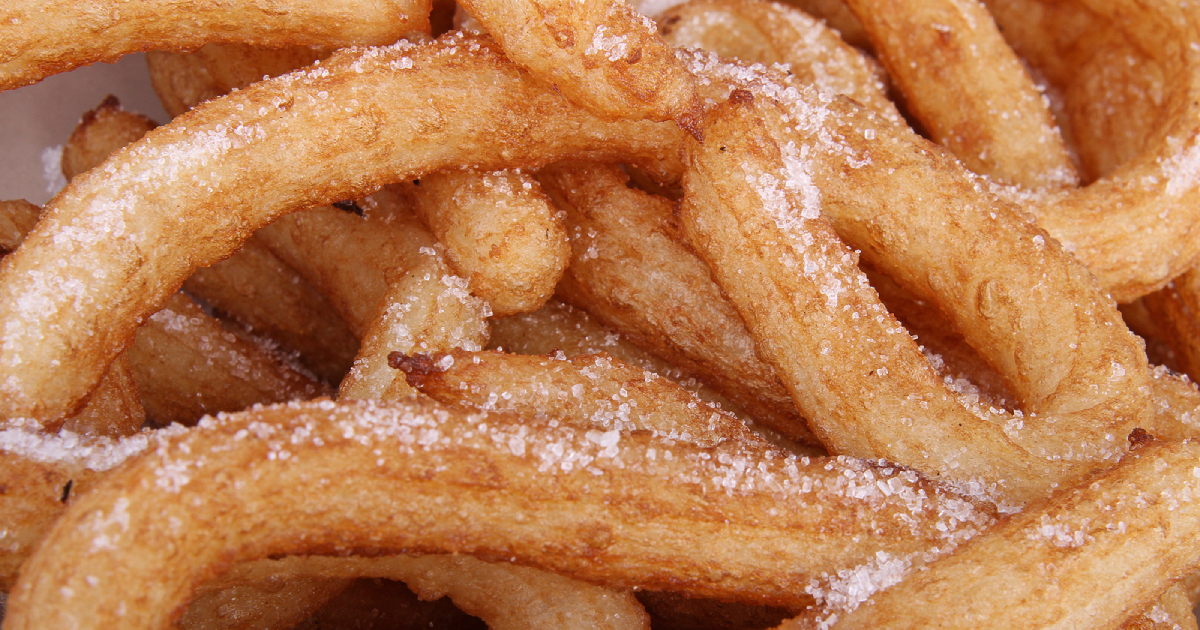
- Sweet treats such as waffles, churros, or bubble waffles alongside the usual candy floss and ice cream
- Drinks stations offering fresh fruit juices, bubble tea, or iced lemon tea to help guests cool down
The goal is not to cram in every cuisine under the sun. A handful of well-chosen options, each done properly, beats a long list of mediocre choices every time. Guests remember quality far more than quantity.
Think About Layout, Not Just Menu
Even the best food selection will fall flat if it is placed poorly. Overcrowded stalls create long queues, frustrated guests, and food that arrives cold or melted. Spacing out stations across the venue, rather than clustering everything in one corner, helps traffic flow more smoothly and gives guests more reasons to explore the full event rather than sticking to one area.
It also helps to place snack stalls near high-traffic zones like the entrance, main stage, or popular rides, since these are natural spots where people already tend to slow down and look around. Meanwhile, sit-down meal options do better in slightly quieter corners where families can settle in without feeling rushed.
Seasonal and Themed Touches
If the carnival has a particular theme, whether that is a school fair, a corporate event, or a festive holiday celebration, the food can echo that theme in small but effective ways. A Halloween-themed carnival might serve spooky-shaped cookies or orange coloured drinks. A Christmas fair could bring in warm spiced beverages and gingerbread. These little touches do not need a big budget, just a bit of creativity, and they go a long way in tying the whole event together.
Seasonal ingredients can also help keep things fresh. Mango-based desserts during the warmer months, or comforting soups and warm snacks during cooler periods, show guests that thought has gone into the details rather than simply repeating the same menu every time.
Don't Forget Dietary Needs
More guests than ever are checking for allergen information or asking about halal, vegetarian, or gluten-free options before deciding what to eat. Having at least a few clearly labelled choices for these guests shows consideration and avoids leaving anyone feeling like an afterthought. This does not mean overhauling the entire menu, just ensuring there is something suitable for most people who walk up to your stalls.
Presentation Counts More Than People Expect
Food that looks appealing gets photographed, shared, and talked about. A colourful skewer, a beautifully swirled soft serve, or a fun packaging design can turn a simple snack into something guests want to show off on social media. This kind of organic sharing acts as free promotion for future events, so it pays to think about presentation alongside taste.
Bringing It All Together
Great carnival food is not about offering everything under the sun. It comes down to balancing familiar favourites with a few exciting additions, thinking carefully about layout and flow, and paying attention to small details like presentation and dietary needs. When guests leave full, satisfied, and already planning their next visit, you know the food line-up has done its job.
If you are planning a carnival and want a team that understands how to bring games, rides, and food together into one seamless experience, The Carnival Fair can help you put it all in place.

.jpeg)

.webp)